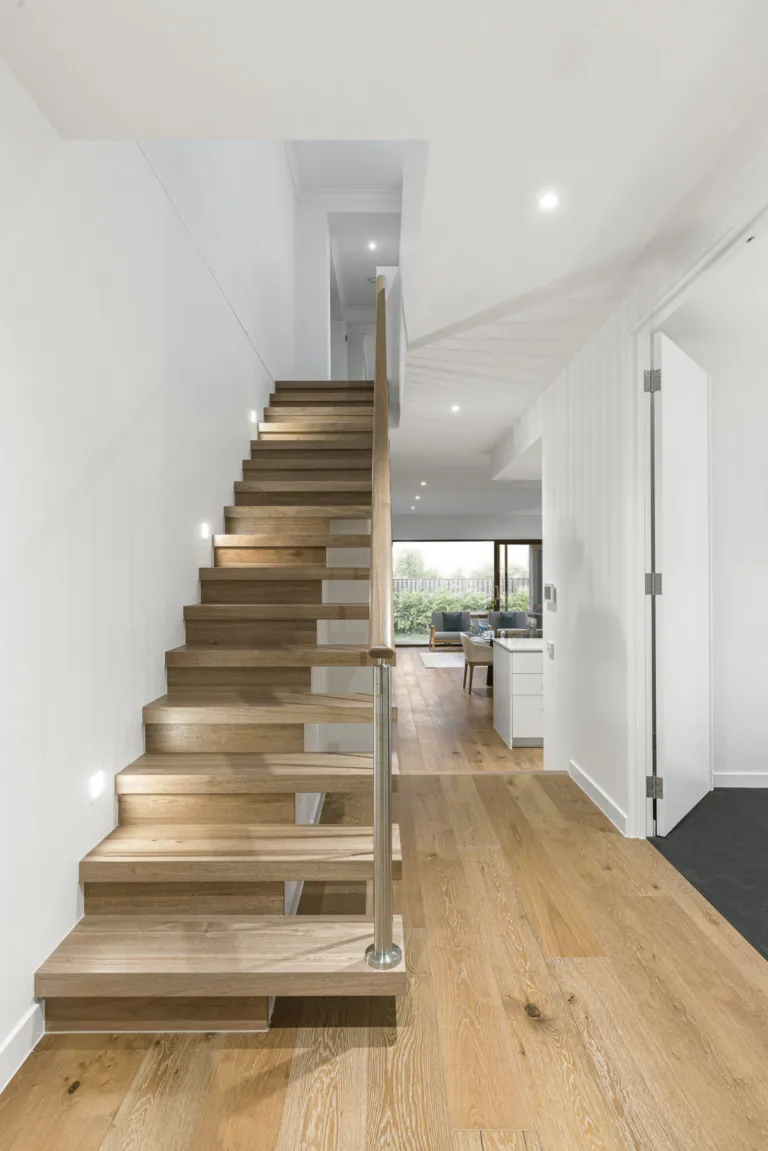

A timber floor can only perform as well as the surface underneath it. Even if the boards are high-quality, the final result may be affected if the subfloor is uneven, damp, unstable, or not properly prepared.
Knowing whether your subfloor is ready for timber flooring can help avoid issues such as movement, gaps, hollow sounds, lifting or uneven finishes later. Before new flooring is installed, it is worth looking at the condition of the base layer and what may need attention first.
Start With the Type of Subfloor
Different homes have different subfloors. Some have concrete slabs, while others have timber joists, plywood, particleboard or existing floor coverings that need to be assessed.
Each surface can have different requirements. Timber flooring over concrete may need moisture checks and levelling, while a timber subfloor may need to be stable, secure and free from movement. Understanding what you are working with is the first step before choosing the right installation method.
Check If the Surface Is Level
A subfloor does not need to be perfect, but it does need to be reasonably flat. If there are dips, high spots or uneven areas, the new floor may not sit properly.
Uneven surfaces can lead to movement, creaking, bouncing or hollow-sounding sections. In some cases, floor levelling may be needed before the boards go down. This is especially important in open-plan areas where light can make uneven sections more noticeable.
Look for Moisture Problems
Moisture is one of the main things to check before timber flooring is installed. Timber naturally reacts to changes in moisture, so the subfloor needs to be suitable before the new boards are laid.
Signs of moisture may include damp smells, dark patches, mould, water stains or previous leak areas. Concrete slabs may also hold moisture even when they look dry on the surface, which is why moisture testing for timber floors can be important before installation.
Make Sure the Subfloor Feels Stable
A good subfloor should feel firm underfoot. If it moves, flexes, creaks or feels soft in certain areas, this should be checked before new flooring is installed.
Loose boards, damaged panels or weak sections can affect how the finished floor performs. Fixing these areas early can help prevent movement and noise after the timber floor is in place.
Remove Old Flooring Properly
Existing tiles, carpet, vinyl, laminate or old timber may need to be removed before the subfloor can be properly checked. Sometimes, the real condition of the surface is not clear until the old flooring comes up.
Adhesive residue, damaged underlay, uneven patches or hidden moisture may be found underneath. Removing old materials properly gives a clearer view of what preparation may be needed.
Watch for Cracks and Gaps
Small cracks in a concrete slab or gaps in timber sheet flooring may not always be serious, but they should still be assessed. Wider cracks, raised edges or areas that appear to be moving may need attention before flooring work begins.
The aim is to create a base that is as clean, solid and even as possible. If problems are ignored, they may affect the look and feel of the finished floor.
Think About Sound and Underlay
Subfloor preparation is not only about flatness. Comfort and sound can also be affected by what sits beneath the timber.
In apartments, townhouses, or upper-level rooms, underlay and acoustic requirements may need to be considered. The right underlay can help with sound reduction, comfort underfoot and support for certain flooring systems.
Check the Room Conditions
The room itself matters too. Ventilation, temperature, sunlight and moisture levels can all affect how timber flooring behaves over time.
Bathrooms, laundries or areas with moisture exposure may need extra care. Rooms with strong sun or large windows may also need thoughtful product and installation choices. A prepared subfloor is important, but the wider room conditions should not be ignored.
Do Not Rush the Preparation Stage
It can be tempting to focus on the visible flooring and rush through preparation, but the hidden work often makes the biggest difference. A clean, dry, level and stable base gives the timber floor a better chance of performing well.
For homeowners planning timber flooring installation, the subfloor should be checked before the final installation method is confirmed. This helps avoid choosing an approach that may not suit the condition of the home.
A Practical Takeaway
Before timber flooring is installed, the subfloor should be checked for levelness, moisture content, stability, cracks, old flooring residue, and overall condition. These details may not be visible once the floor is finished, but they can affect how it looks, feels and lasts.
Smarter Timber Flooring helps Melbourne homeowners choose timber flooring options and understand the preparation needed before installation. Taking the time to check the subfloor early can make the finished result feel more stable, comfortable and reliable.