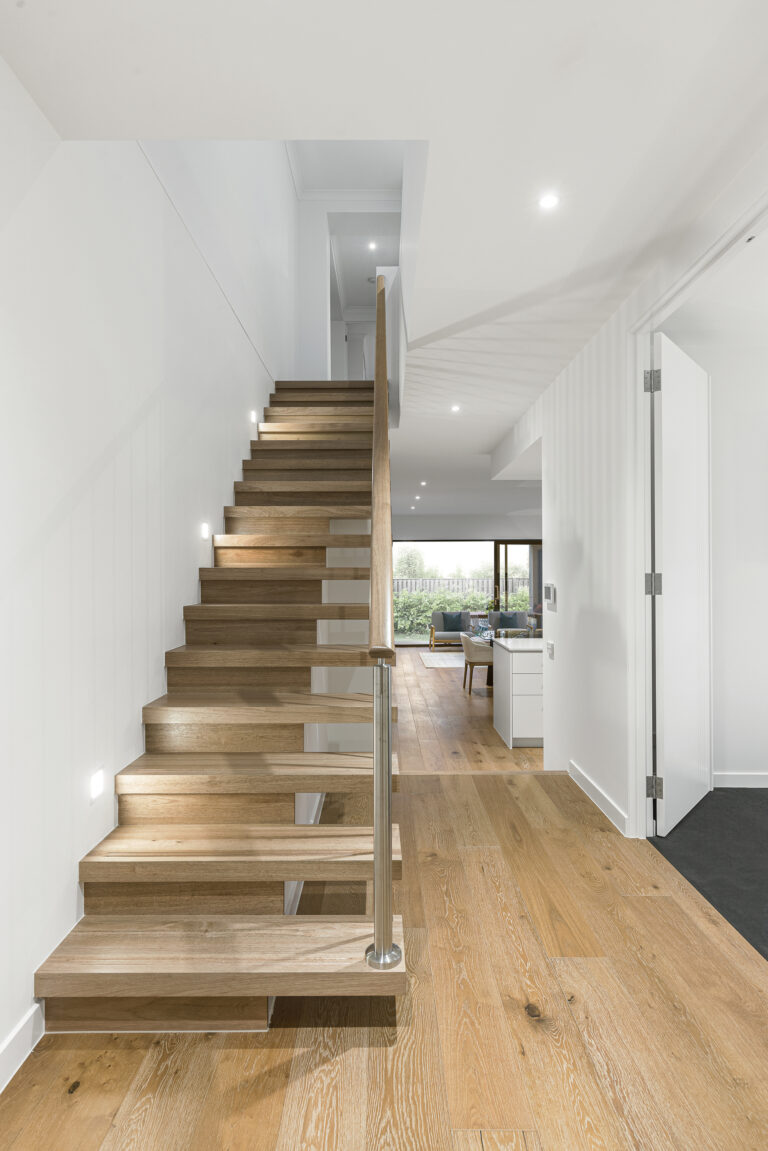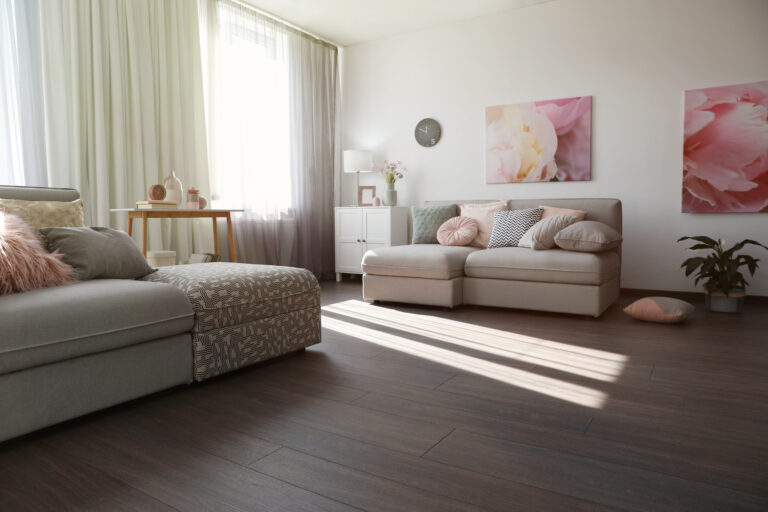

Grey oak flooring works best in a kitchen when its undertone connects naturally with the cabinetry and benchtop rather than matching them exactly. Soft greys, warmer browns and muted oak tones can each create a different result depending on the surrounding finishes.
For homeowners comparing grey oak timber flooring in Melbourne, it is more useful to assess the floor alongside the kitchen finishes than to choose each material separately.
Start With the Undertone of the Floor
The undertone should guide the wider kitchen palette.
Some grey oak boards lean cooler, while others carry beige, brown or mocha tones. That difference can affect how the floor sits beside painted cabinetry, timber joinery and stone surfaces.
Cooler grey oak can pair well with crisp whites, charcoal and muted grey cabinetry. Warmer tones often sit more naturally with off-white, beige, taupe and warmer timber finishes.
The aim is not to create a perfect colour match. It is to avoid finishes that pull strongly in opposite directions.
White Cabinetry Gives the Floor More Room to Show
White and off-white cabinetry can create a clean backdrop for grey oak.
This allows the grain and natural variation in the boards to remain visible without making the kitchen feel too busy. It also leaves more flexibility when selecting the benchtop.
A cooler white can suit flooring with clearer grey tones, while a creamier white may connect more naturally with warmer oak undertones.
This combination can work particularly well in open-plan homes where the floor continues into dining and living areas.
Timber Cabinetry Usually Needs a Clear Contrast
Timber cabinetry often works better when it complements the floor rather than trying to copy it.
Two timber finishes that are nearly identical can look mismatched. A more deliberate contrast usually feels cleaner.
Deeper timber joinery can create separation against lighter grey oak, while pale timber cabinetry can also work if the undertones remain compatible.
If both the floor and cabinetry have strong grain or movement, a simpler benchtop can help keep the room balanced.
Benchtops Can Connect the Main Finishes
The benchtop can act as the link between the floor and cabinetry.
Warm white or softly veined stone can connect light cabinetry with warmer grey oak. Concrete-look surfaces can sit comfortably with cooler floors and darker joinery. Beige and muted stone tones can work well with oak that carries earthy undertones.
If the benchtop has strong veining or a pattern, the cabinetry may need to remain more subtle.
A simple rule is to consider the three main surfaces together:
flooring + cabinetry + benchtop
If two are visually strong, the third should usually be more restrained.
Dark Cabinetry Can Create Stronger Definition
Charcoal, black and other deep-toned cabinetry can create a clear contrast against lighter grey oak.
This can suit contemporary kitchens where the joinery is intended to stand out. The flooring brings natural timber texture into the room and helps soften the darker cabinetry.
The benchtop then helps control the overall weight of the palette. A lighter surface can break up the darker joinery, while a darker benchtop creates a more continuous look.
Natural light matters here because deeper colours can feel much heavier in a kitchen with limited daylight.
Compare Samples in the Actual Room
Samples should be viewed in the kitchen rather than under showroom lighting alone.
Natural light changes throughout the day, and artificial lighting can also shift how grey, beige and timber tones appear. A board that looks cool in one setting may look warmer elsewhere.
Place the flooring sample beside the cabinetry colour and benchtop sample where possible. Check the combination in morning light, later in the day and with the kitchen lights switched on.
Grey oak ranges often include lighter, mid-tone and deeper options, so comparing several boards in the actual room can make the final choice much clearer.
Think Beyond the Kitchen
The flooring should also work with adjoining areas if the home has an open-plan layout.
Grey oak may continue through the dining room, living area, or hallway, so the kitchen palette should also make sense alongside sofas, rugs, dining furniture, and wall colours.
A combination that looks good within the cabinetry zone can still feel disconnected once the floor runs through the wider home.
Looking at the whole space helps create a more consistent result.
Build the Palette Around the Whole Room
The best result comes from considering flooring, cabinetry, benchtops and light together.
Grey oak does not need to match the kitchen exactly. It needs enough connection through undertone, contrast and material balance to make the finishes feel intentional.
Smarter Timber Flooring offers a range of grey oak flooring from its Cheltenham showroom, with options across lighter, warmer and deeper oak tones. Viewing samples alongside cabinetry and benchtop selections can make it easier to choose a floor that works with the complete kitchen design.